
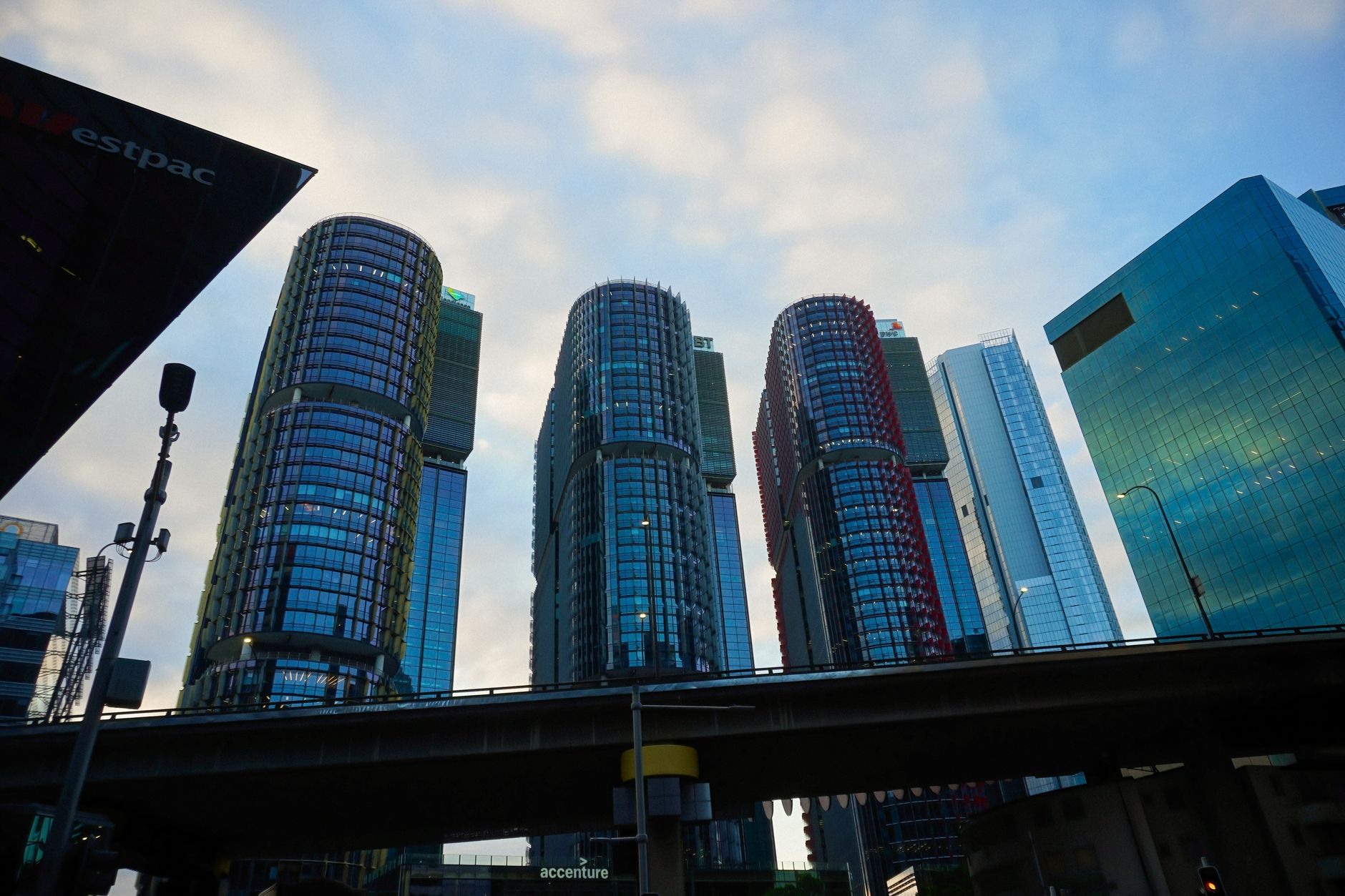
Westpac price rise is set to affect the real estate market significantly. As costs increase, potential buyers and investors must navigate new challenges in their home purchasing decisions.
Understanding the Westpac Price Rise
The recent announcement regarding the Westpac price rise has sent shockwaves through the real estate market. As the cost of borrowing increases, potential homebuyers are feeling the pressure. This rise in prices comes at a time when many are already struggling to navigate the complexities of purchasing a home.
Experts suggest that the Westpac price rise may be attributed to several key factors:
- Rising interest rates: The central bank’s decision to increase rates has a direct impact on mortgage costs, making home loans more expensive.
- Inflationary pressures: Ongoing inflation has led to higher living costs, which in turn affects the affordability of real estate.
- Increased demand: Despite higher prices, demand for housing remains strong, putting further upward pressure on costs.
For many potential buyers, this combination of factors creates a daunting environment for purchasing property. With the Westpac price rise impacting financing options, many are reconsidering their plans or delaying their purchases. It is crucial for buyers to assess their financial situations and explore alternatives to mitigate the effects of these rising costs.
Impact of Westpac on Housing Market
The recent decision by Westpac to increase its prices has sent ripples through the housing market, raising concerns among potential buyers and investors alike. With interest rates climbing, the timing appears particularly unfavorable for those looking to enter the real estate sector.
The impact of the Westpac price rise is multifaceted, affecting various aspects of the housing market:
- Increased Mortgage Costs: As Westpac adjusts its rates, many borrowers will face higher monthly payments. This can restrict the buying power of first-time homeowners and those with tight budgets.
- Investor Hesitation: Current investors may reconsider their positions, opting to hold off on new purchases until the market stabilizes. This could lead to a slowdown in property transactions.
- Market Dynamics: The price rise may lead to a shift in housing demand, with buyers looking towards more affordable markets or properties, further affecting property values.
As the dust settles on the Westpac price rise, many industry experts are urging caution. The overall sentiment is that now may not be the best time to invest in real estate, as uncertainties loom large in the market.
What Buyers Should Know About Westpac
The recent Westpac price rise is a significant development for potential home buyers. As one of Australia’s largest banks, Westpac plays a crucial role in shaping the housing market. Here are a few key points buyers should consider:
- Increased Borrowing Costs: The rise in Westpac’s rates means higher mortgage repayments for buyers. This could limit the amount they can borrow, making it essential to reassess budgets.
- Market Timing: With the current economic climate, many experts suggest that this may not be the best time to enter the real estate market. Buyers should weigh the risks carefully.
- Investment Strategies: Buyers looking at investment properties may need to adjust their strategies. The higher costs could impact rental yields and overall returns.
- Loan Pre-Approval: It’s crucial for potential buyers to secure pre-approval before making any moves. This will give them a better understanding of what they can afford amidst the changing landscape.
- Seek Professional Advice: Consulting with financial advisors or mortgage brokers can provide tailored guidance and help navigate the implications of the Westpac price rise.
In summary, understanding the factors surrounding the Westpac price rise is essential for making informed decisions in the current real estate market.
Future Trends in Real Estate Pricing
The future of real estate pricing appears uncertain as the Westpac price rise continues to influence the market. Analysts are predicting several trends that could shape the landscape for potential buyers and investors alike.
- Interest Rates: With the likelihood of continued interest rate hikes, borrowing costs are expected to increase, further complicating the affordability of real estate. This could lead to a slowdown in buyer activity.
- Supply Chain Issues: Ongoing supply chain disruptions may hinder the construction of new properties, keeping inventory low and prices elevated despite waning demand.
- Remote Work Dynamics: As many companies embrace hybrid work models, there may be a shift in demand away from urban centers. This could lead to fluctuating prices in different regions.
- Government Policies: Potential changes in government policies, such as incentives for first-time buyers or adjustments in taxation, could have a significant impact on the market dynamics.
As the Westpac price rise continues to unfold, it is essential for buyers to remain informed and adaptable to these evolving trends. The current climate may not be ideal for purchasing real estate, and careful consideration will be necessary moving forward.
Photo by Talha Resitoglu on Pexels
References
You might also like
Mortgage price hike: Worst impact on homebuyers revealed · Luxury real estate partnership: Is it the best move for buyers? · Dedicated Freight Corridor: Proven Benefits for India’s Economy