
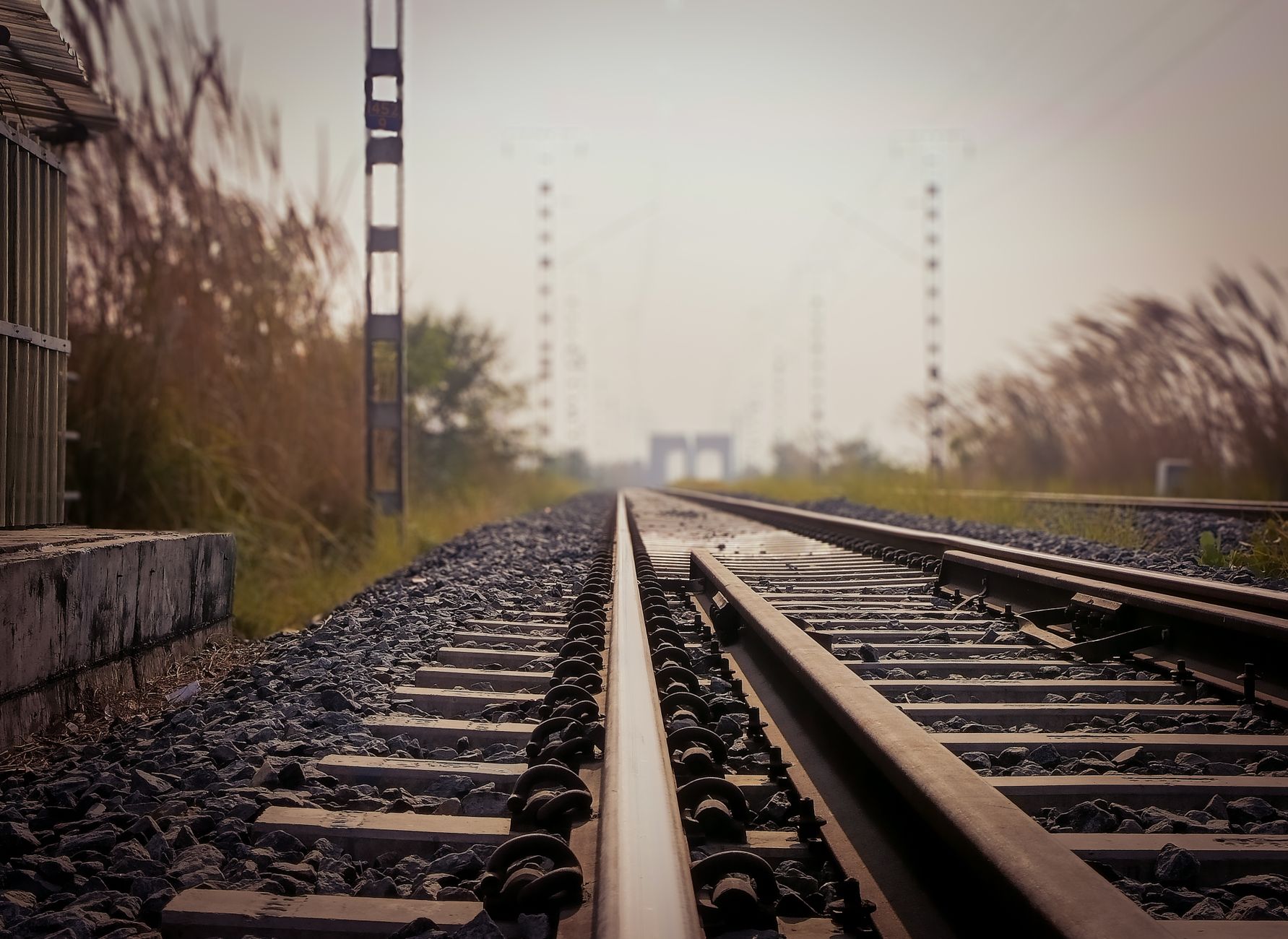
Dedicated Freight Corridor is a major milestone in India’s infrastructure development, significantly improving freight transportation efficiency across the country.
Overview of the Dedicated Freight Corridor
The Dedicated Freight Corridor (DFC) is a significant infrastructure project aimed at transforming freight transportation in India. This ambitious initiative, which involves the construction of dedicated railway lines for freight trains, is designed to enhance the efficiency and speed of goods movement across the country.
Launched to alleviate congestion on existing rail networks, the DFC will provide faster and more reliable services, ultimately benefiting both the economy and consumers. With the recent unveiling of ₹35,000 crore projects in Vadodara by Prime Minister Modi, the completion of the DFC network marks a pivotal moment for India’s logistics and supply chain sectors.
The DFC is expected to:
- Reduce Transit Time: Dedicated tracks will significantly shorten the time taken for freight to reach its destination.
- Lower Transportation Costs: Enhanced efficiency will lead to reduced logistics costs for businesses.
- Boost Economic Growth: Improved freight services are likely to stimulate trade and commerce across various regions.
With these benefits, the Dedicated Freight Corridor promises to play a crucial role in India’s economic development and support the growing demand for efficient freight transportation.
PM Modi’s Vision for Infrastructure
Prime Minister Modi has consistently emphasized the importance of modern infrastructure in driving India’s economic growth. His vision for the nation includes the establishment of a robust transportation network, underscored by the completion of the Dedicated Freight Corridor.
This initiative aims to streamline freight movement across the country, significantly enhancing the logistics sector and reducing transit times. The PM believes that an advanced infrastructure framework will not only create jobs but also attract foreign investment, thereby boosting economic development.
During a recent event in Vadodara, where he unveiled projects worth ₹35,000 crore, PM Modi reiterated the government’s commitment to investing in infrastructure projects that cater to the needs of a growing economy. He highlighted that the Dedicated Freight Corridor is a game-changer, promising:
- Increased Efficiency: Faster delivery of goods across states.
- Cost Reduction: Lower transportation costs for businesses.
- Environmental Benefits: Encouraging a shift from road to rail transport.
With these advancements, the Dedicated Freight Corridor is set to redefine logistics and play a vital role in India’s economic landscape.
Economic Impact of the Corridor
The completion of the Dedicated Freight Corridor is set to significantly enhance India’s economic landscape. By providing a dedicated route for freight transport, the corridor aims to reduce congestion on existing rail networks, leading to improved efficiency and reduced transit times.
One of the most notable benefits is the potential for cost savings. With faster delivery times and increased capacity, businesses can lower their logistics costs, ultimately translating to lower prices for consumers. Additionally, the Dedicated Freight Corridor is expected to boost employment opportunities in related sectors, from construction to logistics management.
Moreover, the corridor will facilitate the movement of goods across states, encouraging regional trade and economic growth. This improved connectivity is likely to attract investments in various industries, including manufacturing and agriculture, further stimulating the economy.
As the initiative aligns with PM Modi’s vision for infrastructure development, it serves as a catalyst for long-term economic stability and growth. The benefits are not just immediate; they promise a more robust framework for India’s future in global supply chains.
In summary, the Dedicated Freight Corridor is poised to be a game-changer for India’s economy.
Key Features of the New Projects
The recently unveiled projects under the Dedicated Freight Corridor initiative boast several key features that are set to revolutionize freight transportation in India.
- Enhanced Speed: The Dedicated Freight Corridor is designed to facilitate faster movement of goods, significantly reducing transit times across key routes.
- Increased Capacity: These projects aim to double the existing freight capacity, accommodating the growing demand for efficient transportation solutions.
- Dedicated Tracks: By providing separate tracks for freight trains, the corridor aims to minimize congestion on passenger lines, ensuring smoother operations.
- Technological Integration: Advanced technologies such as automated signaling and tracking systems will enhance operational efficiency and safety.
- Environmental Benefits: The shift to rail transport is expected to lower carbon emissions, contributing to India’s sustainability goals.
- Job Creation: The development of the Dedicated Freight Corridor is projected to generate numerous job opportunities in construction, maintenance, and operations.
Overall, these features highlight the transformative potential of the Dedicated Freight Corridor in shaping India’s economic landscape and improving logistics efficiency.
Timeline for Completion
The timeline for the completion of the Dedicated Freight Corridor has been a topic of significant interest for both policymakers and the public. The project, which aims to revolutionize freight transport across India, has made substantial progress since its inception.
In 2014, the government announced an ambitious plan to construct the Dedicated Freight Corridor, with a projected completion date set for 2020. However, due to various challenges, including land acquisition issues and funding constraints, the timeline was extended. As of October 2023, significant milestones have been achieved, with major segments of the corridor nearing completion.
The current expected completion date for the entire Dedicated Freight Corridor network is 2025. Key phases of the project have already come online, facilitating smoother and faster freight movement across regions. The successful implementation of the corridor is anticipated to provide a robust boost to India’s logistics sector.
Moreover, ongoing efforts are being made to expedite remaining work and ensure that the benefits of the Dedicated Freight Corridor are realized as soon as possible. With the unveiling of new projects worth ₹35,000 crore by PM Modi, the government reaffirms its commitment to enhancing infrastructure and economic growth.
Future Plans for Freight Transport
As India continues to invest in its infrastructure, future plans for freight transport are set to expand further, capitalizing on the success of the Dedicated Freight Corridor. The government aims to enhance connectivity between major industrial hubs and ports, ensuring a seamless flow of goods across the nation.
Upcoming projects will focus on:
- Enhanced Network Expansion: Plans to extend the Dedicated Freight Corridor network to cover additional key routes will be prioritized to boost logistics efficiency.
- Integration with Multimodal Transport: The vision includes integrating freight corridors with other transport modes, such as rail, road, and waterways, to optimize supply chain operations.
- Sustainability Initiatives: Future developments will emphasize green technologies, aiming to reduce the carbon footprint of freight transport while promoting eco-friendly practices.
- Digital Transformation: Implementing smart logistics solutions will streamline operations, allowing for real-time tracking and better management of freight services.
With these initiatives, the Dedicated Freight Corridor is poised to play a pivotal role in transforming India’s freight transport landscape, leading to increased economic growth and efficiency.
Local Benefits for Vadodara
The completion of the Dedicated Freight Corridor network is poised to bring significant local benefits to Vadodara, transforming it into a pivotal logistics hub in India. This ambitious project aims to enhance transportation efficiency, reduce delivery times, and ultimately boost economic activity in the region.
One of the most notable advantages of the Dedicated Freight Corridor is the creation of numerous job opportunities. Local businesses are expected to flourish as improved freight services attract new investments and encourage growth in allied sectors. This influx of economic activity will not only benefit corporations but also provide livelihoods for the residents of Vadodara.
Moreover, the corridor will lead to improved infrastructure in the area, with upgraded roads and facilities designed to support increased freight movement. This development is likely to enhance overall connectivity, making it easier for local industries to access markets and supply chains.
In summary, the Dedicated Freight Corridor is set to be a game-changer for Vadodara, fostering sustainable economic growth and ensuring that the city plays a vital role in India’s broader infrastructure ambitions.
Challenges in Implementation
Despite the promising prospects of the Dedicated Freight Corridor (DFC), several challenges have emerged during its implementation phase. A multitude of factors has contributed to delays and complications that could affect the project’s overall success.
- Land Acquisition: One of the primary hurdles has been the acquisition of land, which is often met with resistance from local communities. Delays in securing the necessary land can stall progress significantly.
- Funding Issues: While substantial investments have been pledged, managing finances effectively remains crucial. Any shortfall in funding could compromise project timelines and quality.
- Technical Challenges: The ambitious scale of the DFC demands cutting-edge technology and efficient engineering solutions. Integrating new systems with existing infrastructure presents complex technical challenges.
- Coordination Among Agencies: Effective collaboration among various government bodies and stakeholders is essential. Misalignment in objectives can lead to inefficiencies and project delays.
- Environmental Concerns: Ensuring that the DFC is developed sustainably will require attention to environmental regulations and community impacts, adding another layer of complexity.
Addressing these challenges is vital for realizing the full potential of the Dedicated Freight Corridor and enhancing India’s economic landscape.
Photo by AKHAND PRATAP SINGH on Pexels