
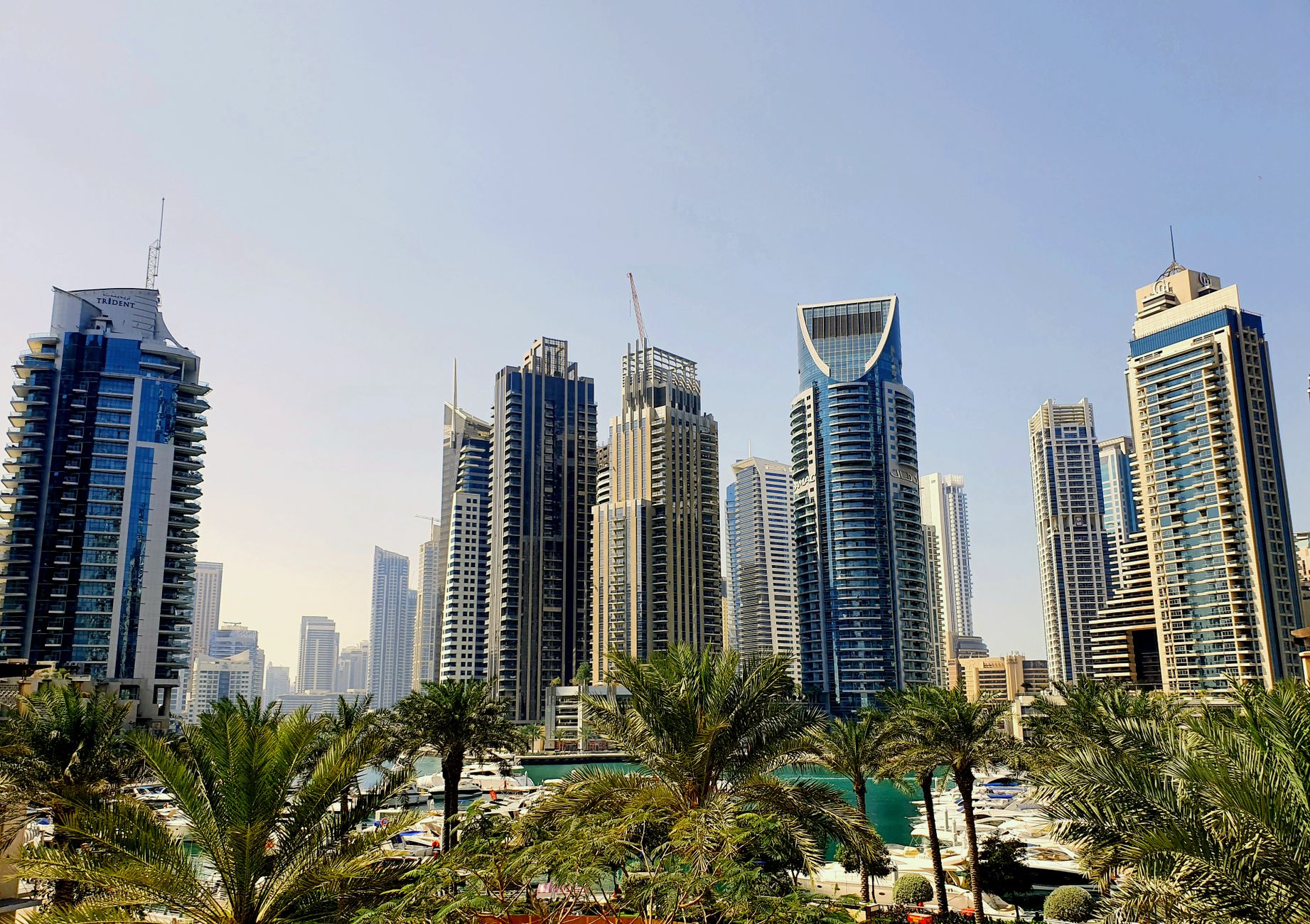
Dubai property prices are projected to adjust by 5-10% as new supply enters the market by 2027. This insight comes from the founder of Emaar, highlighting market dynamics.
Current State of Dubai Property Prices
The current state of Dubai property prices reflects a dynamic market influenced by various factors including supply and demand, economic conditions, and investment trends. As of now, the real estate sector in Dubai has been experiencing a period of growth, with prices rising steadily over the past few years. This surge has attracted both local and international investors, keen on capitalizing on the emirate’s booming market.
However, industry experts warn that this trend may not continue indefinitely. Mohamed Alabbar, founder of Emaar Properties, recently indicated that the influx of new developments could lead to a potential adjustment in prices. He projected a possible decrease of 5-10% in property values by 2027 as the market becomes saturated with new supply.
This potential correction is seen as a necessary step to balance the market and ensure sustainable growth. Investors are advised to remain vigilant and consider the long-term implications of these changes. The future of Dubai property prices will largely depend on the effectiveness of urban planning and the ability to meet the evolving needs of residents and investors alike.
Factors Influencing Price Adjustments
The future of Dubai property prices is being shaped by several key factors that could lead to a potential adjustment of 5-10% by 2027. As new developments are introduced into the market, the influx of additional supply is expected to impact pricing dynamics significantly.
Among the primary influences are:
- Increased Supply: A surge in residential and commercial properties could outpace demand, leading to a downward pressure on prices.
- Economic Conditions: Broader economic factors, including global market fluctuations and local economic health, will play a crucial role in shaping investor confidence and purchasing power.
- Regulatory Changes: Any changes in government policies regarding property ownership or taxation could also affect market conditions and buyer sentiment.
- Interest Rates: The cost of borrowing remains a vital consideration, as higher interest rates could deter potential buyers, thus influencing overall property prices.
- Foreign Investment: The level of foreign investment in Dubai’s real estate market will directly influence demand and, consequently, property prices.
Given these factors, stakeholders in the Dubai real estate market are urged to remain vigilant as 2027 approaches.
Emaar’s Insights on Market Trends
Emaar Properties, a leading real estate developer in Dubai, has provided significant insights into the future of the Dubai property market. According to the founder of Emaar, the upcoming years may see property prices in Dubai facing a potential drop of 5% to 10% by 2027. This shift is largely attributed to an influx of new supply that is expected to enter the market.
Market analysts have noted that while the demand for residential and commercial properties remains high, the increasing supply could lead to an oversaturated market. Emaar’s projections highlight the dynamic nature of real estate, emphasizing that fluctuations in property prices are often influenced by various factors, including economic conditions and consumer sentiment.
As the Dubai property landscape evolves, Emaar stresses the importance of strategic planning and market analysis. Investors and homebuyers are encouraged to stay informed about emerging trends and potential price adjustments. The company believes that despite the forecasted decrease, Dubai will continue to be an attractive destination for real estate investment, driven by its robust economy and cultural appeal.
Future Supply and Demand Dynamics
As the real estate landscape in Dubai evolves, the dynamics of supply and demand are expected to play a crucial role in determining future property prices. Analysts predict that the influx of new residential and commercial developments could significantly impact market stability. Emaar’s founder has indicated that the anticipated surge in supply may lead to a price adjustment ranging between 5% to 10% by 2027.
The ongoing construction of various projects is set to change the availability of properties in prime locations across the city. This anticipated increase in inventory is likely to create a more competitive environment, which could drive down prices as buyers gain more options.
Key factors influencing this shift include:
- Increased development projects: A steady stream of new buildings entering the market will diversify offerings.
- Interest rates: Fluctuations in borrowing costs could affect buying power.
- Economic growth: The overall economic climate will influence investor confidence and consumer buying behavior.
Ultimately, the future of Dubai property prices hinges on how effectively these new developments are absorbed into the market.
Impact of New Developments on Prices
The dynamics of Dubai property prices are set to be significantly influenced by upcoming developments planned for the next few years. As more residential and commercial properties enter the market, experts anticipate a shift that may lead to a potential decline in prices by 5% to 10% by 2027. This adjustment is primarily driven by the increasing supply amid sustained demand.
Several factors contribute to this anticipated impact:
- Increased Inventory: A surge in new developments will introduce more options for buyers, potentially leading to an oversaturated market.
- Consumer Preferences: As modern amenities and innovative designs become more prevalent, older properties may see a relative decrease in demand.
- Market Competition: Developers may lower prices or offer incentives to attract buyers, further exerting downward pressure on overall property values.
While the future may appear uncertain, the adjustments in Dubai property prices reflect broader economic trends and the natural ebb and flow of the real estate market. Stakeholders should remain vigilant as these developments unfold, as they could reshape the landscape of property ownership in the city.
Historical Price Trends in Dubai
Dubai has experienced significant fluctuations in property prices over the last decade, influenced by various economic factors and market dynamics. In the early 2010s, property prices soared due to an influx of foreign investment, with a notable surge following the 2020 Expo announcement. However, the market faced a downturn in subsequent years, leading to corrections that saw prices stabilize.
Between 2017 and 2020, the market witnessed a decline of approximately 30%, prompting buyers to adopt a wait-and-see approach. As the global economy began to recover, so too did the Dubai property market, with prices rebounding in 2021. The luxury segment saw particularly strong performance, driven by demand from high-net-worth individuals seeking second homes.
As we look towards the future, projections indicate a possible adjustment in Dubai property prices of 5-10% by 2027. This potential decline is expected as new developments come online, increasing supply and offering consumers more choices. The historical trends suggest that while the market can be volatile, it ultimately rebounds as long-term fundamentals remain strong.
Investor Sentiment and Market Confidence
Investor sentiment in the Dubai property market is showing signs of caution as projections indicate a potential drop in property prices by 10% in 2027. This anticipated adjustment is largely attributed to the influx of new developments and increased supply, which could outpace demand. Investors are closely monitoring market trends, evaluating the long-term viability of their investments amidst these changing dynamics.
According to industry experts, Dubai property prices are influenced not only by new constructions but also by shifting consumer preferences and economic factors. As more residential properties are introduced to the market, potential buyers may become more selective, impacting overall demand.
Additionally, the recent insights from Emaar’s founder highlight a growing concern among investors regarding market stability. Many are weighing the risks versus rewards of investing in a landscape that might soon see a significant price adjustment.
This cautious outlook is prompting some investors to reassess their portfolios, with a focus on long-term growth rather than immediate gains. As the market evolves, maintaining confidence will be crucial for sustaining interest in Dubai’s real estate sector.
Expert Opinions on Property Investments
Experts in the real estate sector have expressed their views on the future of Dubai property prices, particularly in light of the anticipated influx of new developments. According to a recent statement from Emaar’s founder, the market could see a 5-10% adjustment in property prices by 2027. This perspective has garnered attention from investors and analysts alike.
Many industry professionals emphasize the importance of understanding the cyclical nature of real estate. “While the current market is trending positively, the potential for a drop in prices should not be overlooked,” noted a prominent market analyst. They highlight that the increase in supply, coupled with shifting demand dynamics, may lead to a recalibration of prices.
Additionally, some experts suggest that foreign investment will continue to play a pivotal role in shaping the market. “Investors need to remain vigilant and informed about the fluctuations in Dubai property prices,” stated another real estate consultant. This insight underlines the necessity for thorough market analysis and strategic planning for those looking to invest in Dubai’s evolving landscape.
Experts suggest that if current market trends continue, Dubai property prices could see a significant decline. This potential 10% drop in 2027 may lead to increased investment opportunities in the region.
Photo by Sithu Nyein on Pexels
Read the original
You might also like
Boya Notra Neo: Is This AI Assistant the Best Choice? · Short-Term Rental Regulations: Clear Guide to New Rules · ChefKart Revenue Growth: Proven Strategies for Success