
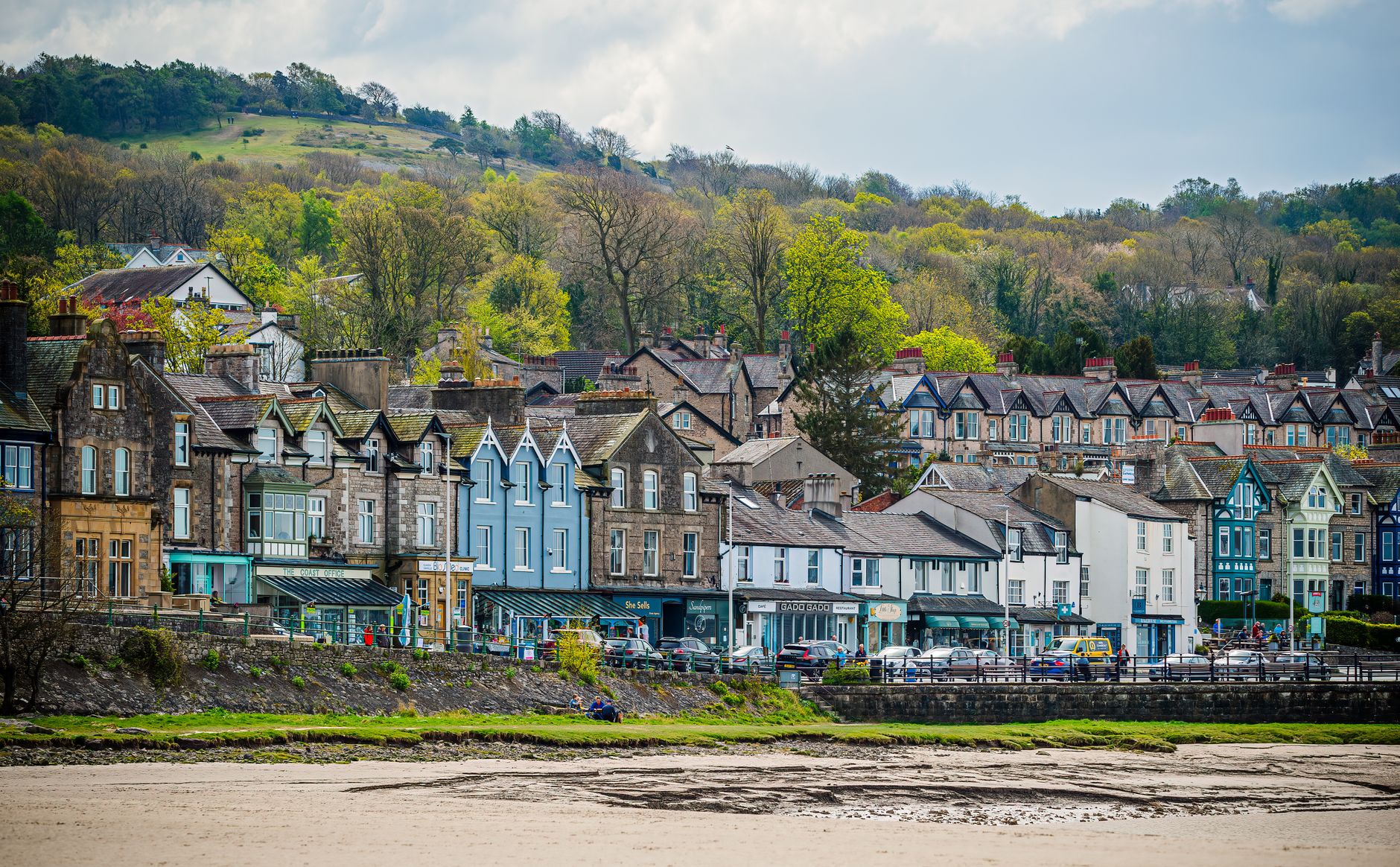
Cumbria house prices have changed dramatically this year, with certain areas witnessing surprising increases and decreases. This article explores the regions most affected by these shifts.
Overview of Cumbria’s Housing Market
The housing market in Cumbria has experienced significant fluctuations in 2023, with various areas seeing stark changes in house prices. The shifts can be attributed to several factors, including economic conditions, interest rates, and local demand.
In some regions, house prices have seen a decline, while others have experienced a surprising increase. This trend highlights the disparity within the county and reflects the broader national housing market dynamics. Key areas affected include:
- Workington: Once a thriving market, prices have dropped considerably, making it an attractive option for first-time buyers.
- Penrith: This area has seen a rise in prices, driven by its appeal to commuters and families seeking a more rural lifestyle.
- Kendal: House prices have stagnated, as buyers become more cautious amid rising living costs.
Despite these changes, the overall sentiment in the Cumbria housing market remains cautious. Potential buyers are advised to conduct thorough research and consider the long-term trends in house prices. Understanding the unique characteristics of each locality is essential for making informed decisions in this evolving market.
Key Areas with Price Changes
The latest data reveals significant fluctuations in Cumbria house prices across several key areas this year. Homebuyers and sellers alike are keenly observing these shifts, which could impact future real estate decisions.
Among the notable regions experiencing the most dramatic changes are:
- Barrow-in-Furness: This area has seen a notable decline in property values, prompting concerns among local homeowners.
- Allerdale: Conversely, Allerdale has reported slight increases, making it a more appealing location for prospective buyers.
- Carlisle: House prices here have shown resilience, with moderate growth attributed to ongoing developments and amenities.
- Copeland: This region has faced a downturn, with many residents worried about the long-term effects on their investments.
These changes indicate a complex landscape for Cumbria house prices, influenced by factors such as local employment rates, infrastructure projects, and the broader economic climate. As buyers reassess their positions, the market dynamics may continue to evolve throughout the year.
Factors Influencing House Prices
The fluctuations in Cumbria house prices throughout 2023 can be attributed to several key factors that are shaping the local real estate landscape. Understanding these influences is vital for potential buyers and investors alike.
- Economic Conditions: The general economic climate, including inflation rates and employment levels, plays a significant role in determining housing demand. A stable job market often leads to increased buyer confidence.
- Interest Rates: Changes in interest rates have a direct impact on mortgage affordability. Higher rates may deter potential buyers, leading to a slowdown in price growth.
- Supply and Demand: The balance between available properties and buyer interest is crucial. Areas with limited housing stock tend to see more substantial price increases, while oversupply can lead to stagnation.
- Local Amenities: The presence of schools, parks, and shopping facilities can significantly influence desirability and, consequently, house prices. Locations that offer a better quality of life typically attract more buyers.
- Government Policies: Initiatives aimed at encouraging home ownership or restricting foreign investment can also sway the housing market.
These elements collectively shape the trends observed in Cumbria house prices, making it essential to stay informed.
Future Predictions for Cumbria Housing
As 2023 progresses, analysts predict a challenging landscape for Cumbria house prices. The recent fluctuations in the market have raised questions about future trends and stability. Experts are divided on whether the current downturn will continue or if a recovery is on the horizon.
Several factors will play a crucial role in shaping the future of the housing market in Cumbria:
- Economic Conditions: The overall economic environment, including inflation and interest rates, will significantly impact buyer confidence and affordability.
- Local Demand: Areas with strong community ties and amenities may see more resilience in prices compared to regions facing economic challenges.
- Government Policies: Initiatives aimed at boosting housing supply or supporting first-time buyers could alter the market dynamics in the near future.
- Remote Work Trends: The shift towards remote working may continue to drive interest in rural areas, potentially stabilizing or even increasing house prices in desirable locations.
In conclusion, while the current trends in Cumbria house prices indicate uncertainty, ongoing analysis and local developments will be essential for understanding the market’s trajectory in the coming months.
Photo by Christopher Kirk on Pexels