
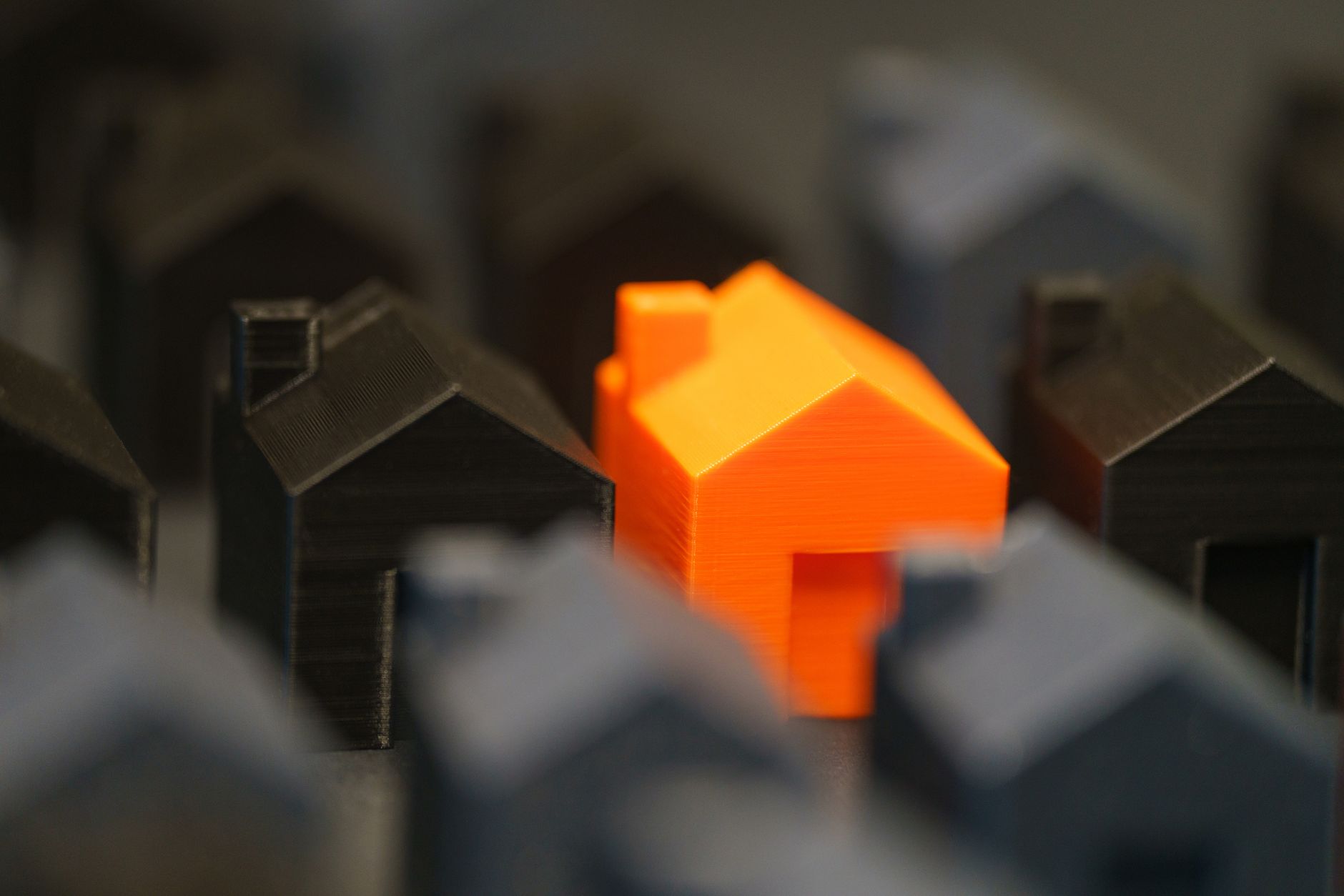
House prices rise, despite bidders staying silent at auctions. This intriguing trend raises questions about the current real estate landscape and what it means for buyers and sellers.
Understanding the Current Real Estate Market
The current real estate market is experiencing a curious phenomenon where house prices rise despite a noticeable decrease in auction activity. This trend raises questions about the underlying reasons driving the market upward, even when demand appears to wane.
Several factors contribute to this situation:
- Low Inventory: A limited number of homes for sale continues to push prices higher as buyers compete for available properties.
- Interest Rates: Although interest rates have fluctuated, they remain relatively low, enticing buyers to enter the market before potential increases.
- Economic Confidence: Many consumers are feeling more secure in their financial situations, leading to increased willingness to invest in real estate.
- Urban Migration: The trend of urban migration, where people seek homes in suburban or rural areas, has spurred demand in those markets.
As these dynamics unfold, analysts are closely monitoring buyer behavior and market trends to understand how long the upward trajectory of house prices can be sustained. The interplay between supply, demand, and economic conditions will be crucial in determining the future of the real estate market.
Factors Influencing House Prices
As house prices rise, several key factors are influencing this upward trend in the real estate market. Understanding these factors is essential for potential buyers and investors alike.
- Supply and Demand: The imbalance between the limited supply of homes and the increasing demand from buyers plays a crucial role. With more people looking to purchase homes, competition drives prices higher.
- Interest Rates: Although interest rates have fluctuated, they remain relatively low compared to historical averages. This encourages buyers to enter the market, further propelling house prices upwards.
- Economic Recovery: As economies recover from recent downturns, consumer confidence grows. Increased job stability and rising wages contribute to a surge in home purchases, influencing prices.
- Urbanization Trends: More individuals are moving to urban areas in search of better opportunities. This urban migration results in higher demand for housing in cities, affecting overall house prices.
- Government Policies: Incentives such as tax breaks for first-time homebuyers can stimulate the market, inadvertently contributing to price increases.
In summary, a combination of these factors is driving the current rise in house prices, creating a complex landscape for potential homeowners.
What Does Silence at Auctions Mean?
As house prices rise, the atmosphere at property auctions has become increasingly tense, with bidders often remaining silent. This silence can signal a number of underlying issues within the housing market.
One interpretation of this behavior is that potential buyers are hesitant to engage in bidding wars, fearing they may overpay in a volatile market. Additionally, many bidders are becoming more discerning, choosing to wait for properties that align more closely with their financial expectations and personal needs.
Moreover, the silence at auctions could be indicative of a broader uncertainty in the economy. With rising interest rates and fluctuating inflation, buyers may be adopting a wait-and-see approach, hoping for a more favorable market before committing to significant investments.
Despite this quiet at auctions, the overall trend indicates that house prices continue to rise. As inventory remains low and demand stays consistent, the market dynamics suggest that even with tentative bidders, prices may not decline anytime soon.
In conclusion, while silence at auctions might reflect caution among buyers, it does not necessarily correlate with a downturn in house prices.
Expert Insights on Future Trends
As the real estate landscape evolves, experts are weighing in on the implications of the recent uptick in house prices. According to industry analysts, several key factors are driving this trend, despite a noticeable dip in auction activity.
One prominent economist, Dr. Jane Smith, emphasizes that low interest rates continue to play a significant role in attracting buyers to the market. “Even with fewer bidders at auctions, the overall demand for housing remains robust, particularly in urban areas,” she notes. This sustained demand is contributing to the upward trajectory of house prices.
Furthermore, urban migration patterns are shifting, with many individuals seeking homes in suburban and rural settings. This trend is pushing prices higher in previously affordable regions, creating a ripple effect throughout the housing market.
Experts also point to the ongoing supply chain challenges that have affected new home construction. With fewer homes available, prices are likely to continue their rise in the short term. As Dr. Smith concludes, “Homebuyers should prepare for a competitive market, as house prices rise and the gap between supply and demand widens.”
- Low interest rates remain a driving factor.
- Urban to suburban migration influences demand.
- Supply chain issues hinder new construction.
As demand continues to outpace supply, many experts are analyzing the factors that contribute to why house prices rise. Understanding the economic and social dynamics at play can help potential buyers navigate this challenging market.
Photo by Jakub Zerdzicki on Pexels