
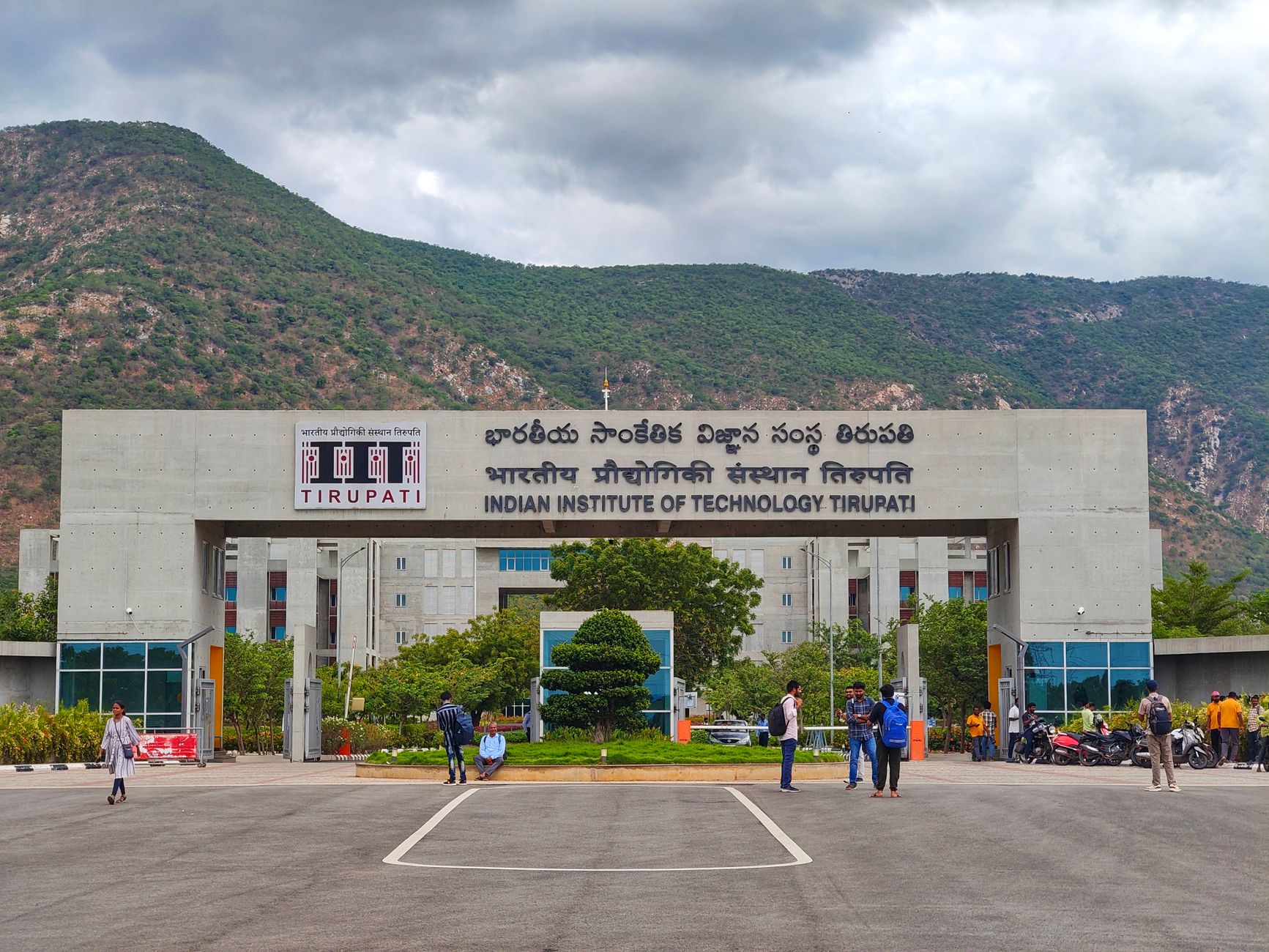
L&T IIT Madras Hyperloop partnership aims to revolutionize transportation through cutting-edge mobility projects. This collaboration promises to enhance infrastructure development and bring futuristic solutions to urban mobility challenges.
Overview of L&T and IIT Madras Partnership
The partnership between L&T and IIT Madras represents a significant step forward in the exploration of innovative transportation solutions. This collaboration aims to harness cutting-edge technology to develop the L&T IIT Madras Hyperloop, a project designed to enhance urban mobility and reduce travel times significantly.
Through this partnership, both entities are pooling their expertise to create a sustainable and efficient transport system. The initiative, backed by the TuTr Hyperloop project, seeks to integrate advanced engineering with practical applications, focusing on:
- Research and Development: Fostering innovation in transportation technologies.
- Infrastructure Development: Establishing the necessary groundwork for hyperloop systems.
- Collaboration with Industry: Engaging with various sectors to enhance project viability.
- Government Engagement: Working alongside policymakers to ensure regulatory support.
This strategic collaboration not only aims to revolutionize the way people travel but also addresses pressing issues such as congestion and environmental sustainability. As cities continue to grow, projects like the L&T IIT Madras Hyperloop are becoming increasingly important in shaping the future of urban mobility.
Key Features of the Hyperloop Technology
The collaboration between L&T and IIT Madras has brought forth groundbreaking advancements in transportation, particularly with the introduction of the L&T IIT Madras Hyperloop. This innovative technology promises to revolutionize the way we think about travel.
- High-Speed Travel: The Hyperloop system is designed to achieve speeds of up to 1,080 km/h, significantly reducing travel time between major cities.
- Energy Efficiency: Utilizing magnetic levitation and low-pressure tubes, the Hyperloop minimizes energy consumption, making it an environmentally friendly alternative to traditional transportation.
- Safety Features: The design incorporates multiple safety systems to ensure passenger protection, including emergency braking and real-time monitoring.
- Comfortable Experience: Passengers will enjoy a smooth ride in pressurized pods, equipped with ergonomic seating and advanced climate control.
- Scalability: The modular design allows for easy expansion of the network, enabling connectivity to various regions and cities seamlessly.
As the L&T IIT Madras Hyperloop project continues to develop, it holds the potential to redefine urban mobility, creating faster, safer, and more efficient travel solutions for the future.
Impact on Urban Mobility Solutions
The collaboration between L&T and IIT Madras in the development of the Hyperloop technology is set to significantly impact urban mobility solutions. By integrating advanced technologies and innovative design, the L&T IIT Madras Hyperloop aims to provide a faster, more efficient mode of transportation that can alleviate congestion in densely populated cities.
One of the key advantages of the Hyperloop system is its ability to operate at high speeds, potentially reducing travel times between urban centers. This could lead to a paradigm shift in how people commute, making it feasible to live farther away from workplaces while still maintaining a quick and reliable travel experience.
Furthermore, the Hyperloop’s energy-efficient design aligns with global sustainability goals. It promises to reduce carbon footprints compared to traditional transportation methods, offering a cleaner alternative for urban transit. As cities continue to grow, the demand for innovative solutions to reduce traffic and pollution becomes increasingly urgent.
In addition to enhancing passenger travel, the L&T IIT Madras Hyperloop could also facilitate the efficient movement of goods. This dual capability may help streamline logistics, benefiting local economies and boosting productivity in various sectors.
Overall, the impact of this project on urban mobility solutions is poised to be transformative, making cities more interconnected and sustainable.
Future of Transportation Infrastructure
The future of transportation infrastructure is witnessing a transformative shift with the introduction of projects like the L&T IIT Madras Hyperloop. This innovative system aims to redefine how people and goods move across urban landscapes, promoting efficiency and sustainability. As cities continue to expand, traditional transportation methods are often inadequate to meet increasing demands, leading to congestion and environmental concerns.
The Hyperloop technology stands out as a solution that can potentially alleviate these issues. By utilizing magnetic levitation and low-pressure environments, the Hyperloop can achieve speeds exceeding those of conventional trains and even airplanes. This not only reduces travel time but also minimizes the carbon footprint associated with transportation.
In addition, the L&T IIT Madras Hyperloop initiative integrates advanced technologies such as artificial intelligence and smart sensors to enhance safety and operational efficiency. Urban planners are increasingly considering such projects in their development strategies, as they align with global goals of creating smarter and more sustainable cities.
Key stakeholders, including government bodies and private investors, are expressing a growing interest in supporting these innovative infrastructures. As the vision for the future of transportation unfolds, projects like the Hyperloop could play a crucial role in shaping urban mobility solutions for generations to come.
Photo by Mr Cool Hitman on Pexels
Read the original
Related reading
Is the Vision 2030 launch the Best Step for Hotels? · Apple HomeView India: The Smart Upgrade You Need · BOSL Global Investment Fund: Proven Expansion in St. Kitts