
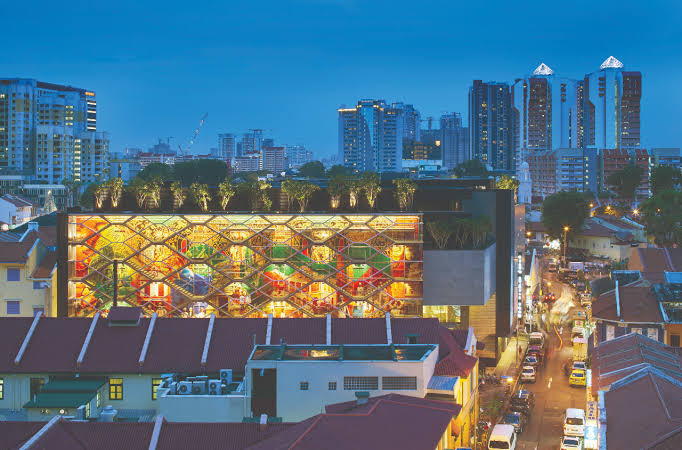
In Singapore’s densely populated urban landscape, land is one of our most precious commodities. Because square footage comes at a strict premium, modern property buyers place immense value on architectural innovation, clever interior design, and uncompromised spatial efficiency. For real estate professionals and developers, marketing a property effectively means moving beyond basic room dimensions to showcase how intelligent design transforms compact layouts into fluid, highly functional homes.
Let us explore how architectural trends and spatial optimization serve as powerful narratives in Singapore real estate marketing.
The Evolution of Space: Designing for Modern Living
Gone are the days when luxury residential marketing relied solely on expansive floor plans and oversized square footage. Today, savvy buyers and HDB upgraders look closely at how every square meter is utilized. Architectural innovation focuses on eliminating wasted hallway space, maximizing ceiling heights, and introducing flexible zones that adapt to changing household needs.
- Multi-Functional Living Areas: Marketing copy should highlight features like sliding partition walls, built-in storage carpentry, and convertible spaces that effortlessly transition from a home office by day to an entertainment lounge by evening.
- Natural Light and Ventilation: Clever architectural orientation, full-height glass windows, and cross-ventilation designs not only reduce energy consumption but also create an optical sense of expansive freedom within urban apartments.
Tailoring Architectural Narratives to Location and Lifestyle
Different residential segments call for distinct architectural angles in marketing campaigns, depending on the buyer demographic and neighborhood character:
- The Urban Optimisation Narrative: For high-density city-fringe developments, such as properties near Dorset Gardens, marketing campaigns should emphasize sleek, urban-chic architectural efficiency. Highlighting smart home automation, built-in kitchen space-savers, and minimalist aesthetics resonates strongly with busy professionals who value effortless, high-tech city living.
- The Suburban Space Narrative: Conversely, when marketing residential enclaves in expanding regional hubs, such as Clovelle of Woodlands, the architectural focus shifts toward family-oriented spatial flow, larger multi-generational layouts, and seamless indoor-outdoor connections with surrounding balconies or communal gardens.
Structuring Design-Focused Marketing Content
To effectively communicate architectural value to prospective buyers across digital portals and social media, structure your property descriptions clearly:
- The Spatial Hook: Open by highlighting how the home’s layout maximizes interior light and functional flow.
- Design Innovation Highlights: Detail specific carpentry, smart storage solutions, premium kitchen fixtures, and bathroom ergonomics.
- The Neighborhood Synergy: Connect the interior comfort of the home with the external convenience of transport links, parks, and dining options.
- Actionable Call-to-Action: Invite prospective buyers to experience the layout firsthand through a physical viewing or an immersive virtual walkthrough.
Elevating Real Estate Marketing Through Design Clarity
Mastering real estate copywriting in Singapore requires a deep appreciation of how physical architecture impacts daily life. By showcasing clever space planning and authentic design benefits—whether highlighting urban sophistication near Dorset Gardens or family-friendly spatial flow around Clovelle of Woodlands—you can create compelling marketing assets that capture attention and drive successful property transactions.