
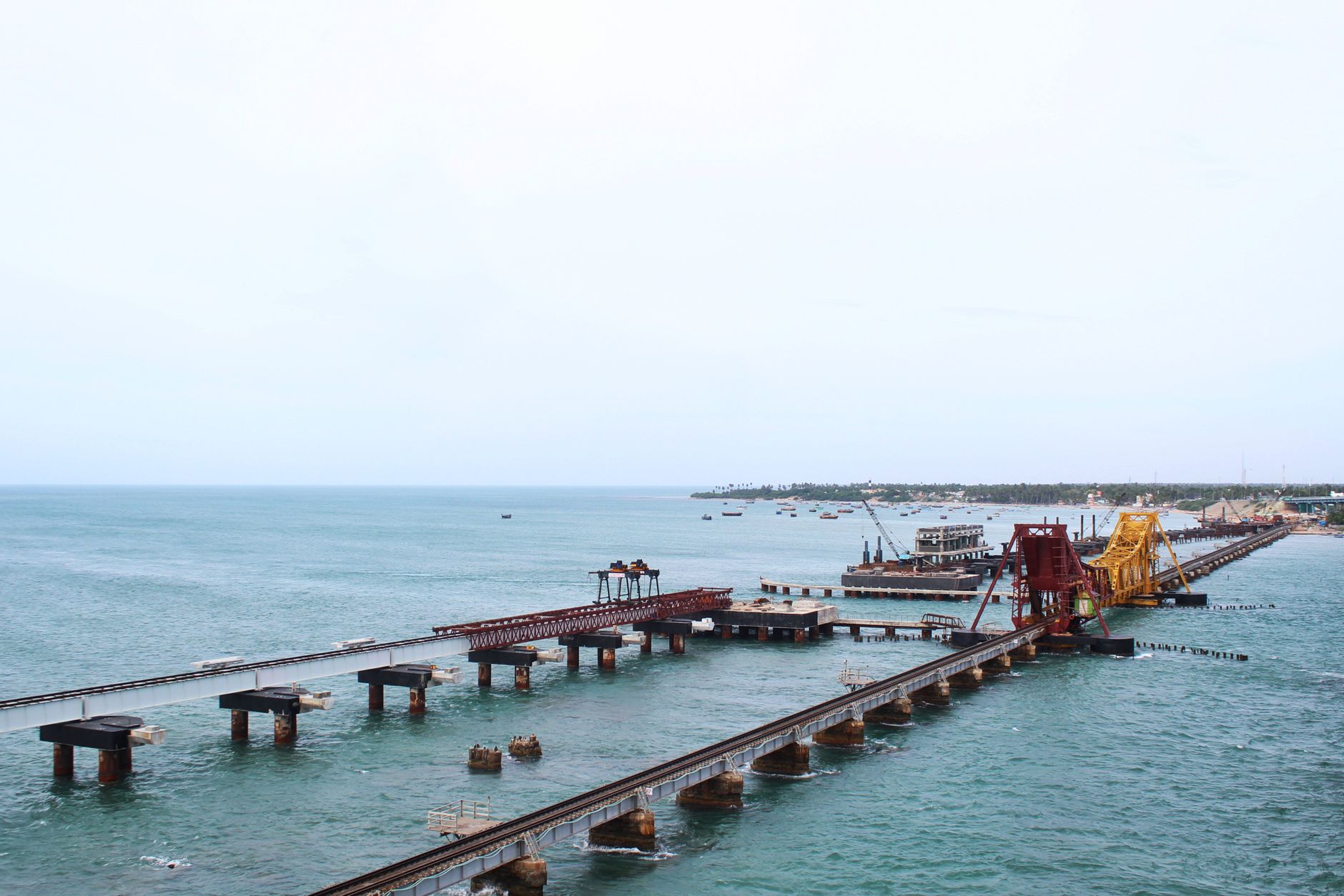
Tamil Nadu project costs have seen a significant reduction thanks to transparent bidding. This innovative approach has led to savings of up to 30%, benefiting the state’s infrastructure development.
Understanding Transparent Bidding
The recent implementation of transparent bidding practices in Tamil Nadu has significantly transformed the landscape of project costs. By fostering an environment of openness and competition, the state has managed to reduce project costs by up to 30%. This innovative approach not only benefits the government but also enhances the quality of work delivered by contractors.
Key features of transparent bidding include:
- Open Access: All bidders have equal access to project information, ensuring a level playing field.
- Real-time Updates: Stakeholders receive timely updates on bid submissions and project developments, promoting accountability.
- Public Scrutiny: Community involvement is encouraged, allowing local residents to monitor projects and provide feedback.
As a result, the Tamil Nadu government has seen a marked increase in competition among bidders, leading to lower costs and improved project outcomes. This shift towards transparent bidding is hailed as a model for other states aiming to optimize project costs and enhance governance.
Impact of Cost Reductions on Infrastructure
The recent implementation of transparent bidding practices in Tamil Nadu has significantly transformed the landscape of infrastructure development. With project costs reduced by up to 30%, the implications are profound for both the state and its residents.
One of the most notable impacts of these cost reductions is the potential for increased investment in public infrastructure. Lower project costs mean that funds can be allocated to a wider range of initiatives, such as:
- Road Development: Enhanced connectivity can lead to improved trade and mobility.
- Public Transportation: More resources for expanding and modernizing transit systems.
- Healthcare Facilities: Increased funding for hospitals and clinics can improve public health outcomes.
- Education Infrastructure: Better schools and educational facilities can support future generations.
Moreover, the financial savings from reduced Tamil Nadu project costs can also foster a competitive environment among contractors, encouraging innovation and efficiency in project execution. As a result, the state is poised to witness accelerated growth and development in various sectors.
How Tamil Nadu Achieved Savings
Tamil Nadu has successfully achieved significant savings in project costs through the implementation of a smart bidding process. By leveraging technology and transparent bidding practices, the state has managed to reduce project expenses by an impressive 30%. This innovative approach allows for greater competition among contractors, ensuring that bids are not only fair but also aligned with the actual market rates.
The key strategies that contributed to these savings include:
- Enhanced Transparency: By making bidding processes open and accessible, all stakeholders can see and evaluate the bids, reducing opportunities for corruption.
- Data-Driven Decision Making: Utilizing data analytics helps assess project needs accurately, allowing for more precise budgeting and cost estimation.
- Collaboration with Experts: Engaging with industry experts during the bidding phase ensures that the best practices are followed, optimizing project execution.
Overall, the initiative not only lowers Tamil Nadu project costs but also fosters a more sustainable and efficient infrastructure development strategy.
The Role of Government in Project Costs
The Tamil Nadu government’s initiative to implement transparent bidding practices has played a crucial role in reducing project costs across the state. By fostering an environment of competition and accountability, the government has enabled contractors to submit more competitive bids, leading to significant savings.
Key measures taken by the government include:
- Mandatory Pre-bid Meetings: These meetings allow potential bidders to clarify project requirements, minimizing misunderstandings and ensuring that all proposals are based on the same information.
- Standardized Guidelines: By establishing clear criteria for bidding, the government has reduced ambiguities that often lead to inflated costs.
- Regular Audits: Continuous oversight and evaluation of submitted bids help in identifying any irregularities or discrepancies, ensuring fairness in the bidding process.
These steps not only contribute to lowering Tamil Nadu project costs but also enhance the overall quality of infrastructure projects. As the state continues to embrace transparency, stakeholders can expect further improvements in cost efficiency and project delivery timelines.
Future of Bidding in Tamil Nadu
The future of bidding in Tamil Nadu looks promising as innovative strategies continue to evolve. The recent implementation of smart bidding processes has led to a significant reduction in project costs, with reports indicating cuts of up to 30%. This shift not only enhances transparency but also encourages competition among contractors, ultimately benefiting taxpayers.
As more projects adopt these advanced bidding techniques, stakeholders anticipate a ripple effect across various sectors. The emphasis on technology-driven solutions is expected to streamline project management and execution, providing further opportunities for cost savings.
Moreover, the government is focusing on fostering an environment where transparency and efficiency are prioritized. This proactive approach is likely to attract more investment and boost economic growth in the region. In the coming years, Tamil Nadu may serve as a model for other states, demonstrating how strategic changes in bidding practices can lead to substantial reductions in project costs while maintaining quality and safety standards.
Overall, the future of bidding in Tamil Nadu holds great potential for further advancements, making it a key area to watch.
Comparative Analysis with Other States
In comparing Tamil Nadu’s approach to project costs with other states, it becomes evident that transparent bidding practices have set a precedent. States like Maharashtra and Karnataka have traditionally relied on conventional bidding methods, often leading to inflated project costs and time overruns. In contrast, Tamil Nadu’s smart bidding strategy has resulted in significant savings, with project costs reduced by up to 30%.
Moreover, the implementation of technology in the bidding process has streamlined operations, enhancing efficiency. States that have adopted similar practices are witnessing positive results; for instance:
- Maharashtra: Recent projects showed a 15% reduction in costs through partial transparency.
- Karnataka: Projects have become 20% more efficient, but still lag behind Tamil Nadu’s benchmarks.
- Gujarat: Efforts to modernize bidding are underway, but challenges remain in achieving comparable savings.
Overall, Tamil Nadu’s focus on optimizing project costs through innovative bidding techniques could serve as a model for other states aiming to enhance their infrastructure efficiency.
Challenges in Implementing Transparent Bidding
Despite the significant benefits of transparent bidding in reducing Tamil Nadu project costs, several challenges persist in its implementation. First, there is a lack of awareness among stakeholders about the transparent bidding process, leading to reluctance in adopting new practices. Many contractors are used to traditional methods and may resist change due to fear of losing control over the bidding process.
Additionally, ensuring that all participants have equal access to information can be difficult. Inconsistent data sharing may create an uneven playing field, undermining the very principles of transparency. Furthermore, there are concerns regarding the adequacy of current technology to support such a system, as some areas may lack the necessary infrastructure to facilitate smooth and effective digital bidding.
Finally, regulatory hurdles can slow down the adoption of transparent practices, as various departments may have different standards and requirements, complicating the overall process. Overcoming these challenges is essential for maximizing the potential of transparent bidding and achieving further reductions in Tamil Nadu project costs.
The recent implementation of smart bidding strategies has resulted in Tamil Nadu project costs being cut by 30%. This significant reduction in Tamil Nadu project costs is expected to enhance the efficiency of future infrastructure developments in the region.
Photo by Omkar Jadhav on Pexels
Where this came from
Related reading
Visakhapatnam Port projects: Best Proven Infrastructure Developments · Rajasthan green energy corridor: Is it the best power solution? · Luxury housing demand: Proven strategies for smart buyers