
Trump Iowa farmers are struggling due to tariffs and rising fuel prices. This article explores the challenges faced by farmers in the region and their implications.
Impact of Tariffs on Iowa Farmers
The impact of tariffs on Iowa farmers has been significant, causing distress in an already challenging agricultural environment. Farmers in Iowa, a crucial state for corn and soybean production, have faced a series of economic hardships attributed to trade policies.
As tariffs were implemented, many farmers saw a decline in export sales, leading to lower prices for their crops. The situation has been exacerbated by rising fuel prices, which further strain their already tight budgets. The following points illustrate the worst effects of these tariffs:
- Reduced Market Access: Farmers have struggled to export their goods to key markets, impacting their revenue.
- Price Volatility: The unpredictability of prices has made it difficult for farmers to plan and invest for the future.
- Increased Costs: Higher expenses for inputs, including fuel and equipment, have cut into profit margins.
- Emotional Toll: The stress of financial instability has taken a significant emotional toll on farmers and their families.
In summary, the ongoing effects of tariffs have created an uncertain future for Iowa farmers, raising concerns about the sustainability of the agricultural sector in the region.
Rising Fuel Prices and Their Effects
The impact of rising fuel prices is becoming increasingly evident for Iowa farmers, particularly in the wake of tariffs imposed during the Trump administration. As agricultural operations rely heavily on fuel for equipment and transportation, the surge in costs has placed an additional financial strain on farmers already grappling with reduced profits.
Several factors contribute to the escalating fuel prices, including geopolitical tensions and supply chain disruptions. These challenges can lead to:
- Increased operational costs: Farmers face higher expenses for machinery, irrigation, and transportation, which can cut into their profit margins.
- Higher prices for consumers: As farmers pass on these costs, consumers may see rising prices for agricultural products in grocery stores.
- Reduced investment in farming: With tighter budgets, many farmers may delay or forgo necessary investments in equipment or technology.
For Trump Iowa farmers, the combination of tariffs and rising fuel prices is creating a perfect storm that challenges their livelihoods and threatens the future of agriculture in the region.
Trump’s Rally: What It Means for Farmers
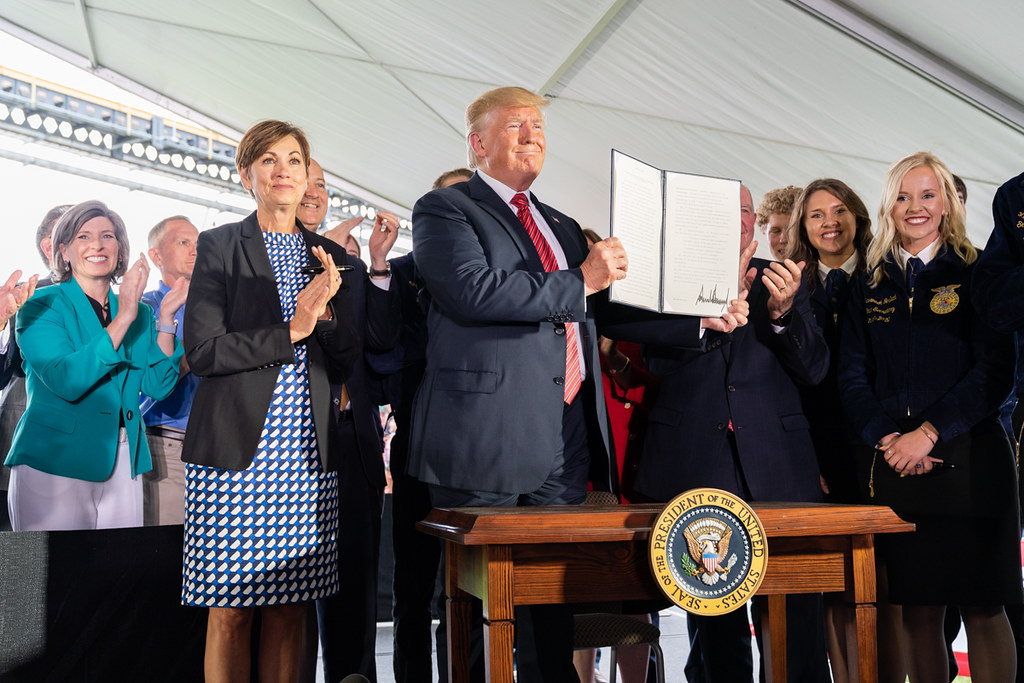
During his recent rally in Iowa, former President Donald Trump aimed to connect with the local farming community, which has been significantly affected by ongoing trade tensions. Many Iowa farmers are still reeling from the consequences of tariffs imposed during his administration, which disrupted exports and strained their livelihoods.
The rally served as a platform for Trump to reiterate his commitment to supporting farmers, emphasizing the need for policies that promote agricultural growth and international trade. He highlighted the struggles faced by Iowa farmers in light of the tariffs, stating that they deserve better support from the government.
In addressing the crowd, Trump acknowledged the rising fuel prices that have compounded the challenges for farmers, making it increasingly difficult for them to operate their businesses profitably. He mentioned that he understands the frustrations of the farming community and vowed to prioritize their needs if he were to regain office.
As Trump continues to rally support in Iowa, the implications of his message are clear: he aims to position himself as the champion of Iowa farmers, addressing their concerns about tariffs and economic instability.
Local Reactions to Economic Challenges
As Iowa farmers grapple with the ongoing economic challenges, local reactions reveal a mix of frustration and resilience. Many farmers express concern over the long-term implications of tariffs, which have significantly impacted their profit margins. Local farmer John Smith shared his views, stating, “We’ve worked hard all our lives, and now we’re struggling to make ends meet because of decisions made far away.”
Farmers are particularly vocal about the effects of the ongoing trade disputes. Mary Johnson, another local farmer, noted, “We were hopeful for some relief, but the tariffs have only made it harder to sell our products.” The uncertainty surrounding international markets has left many feeling anxious about the future.
In addition to tariffs, rising fuel prices have compounded these issues. James Taylor, a corn grower, mentioned, “Every time I fill up my tractor, it’s like throwing money away. It’s a double blow.”
Despite these challenges, some farmers remain hopeful that upcoming rallies, including Trump’s, will bring attention to their plight and lead to positive changes in policy for Iowa farmers.
Trump Iowa farmers have been struggling to cope with the financial fallout from the tariffs imposed on agricultural exports. As a result, many are questioning the long-term viability of their operations amidst the ongoing trade tensions.
By The White House via Openverse