
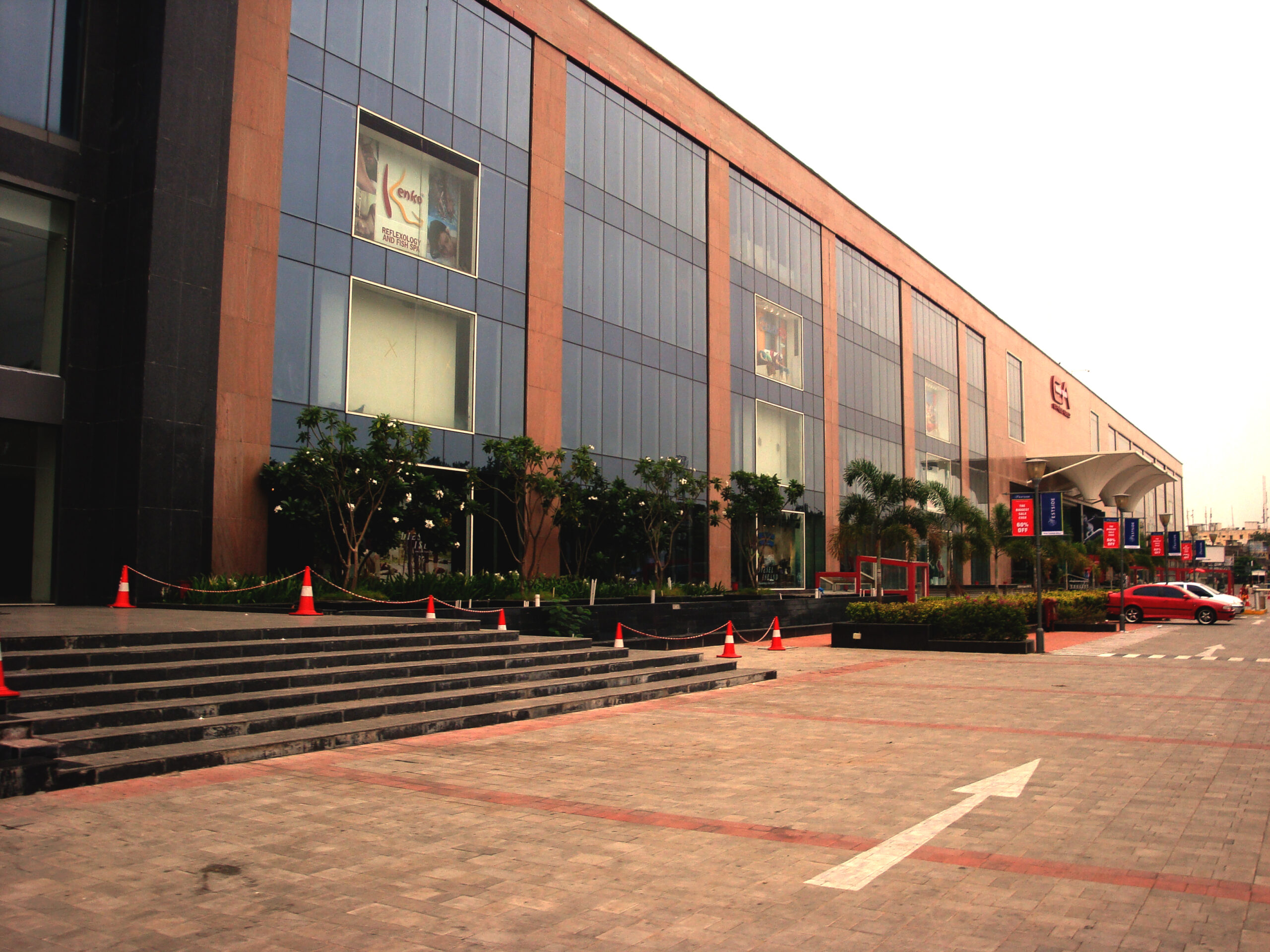
India hotel capacity needs major expansion, with a report indicating a requirement for up to 2.1 lakh rooms by 2035. This significant growth is essential to accommodate the rising tourism and business travel in the country.
Current State of India’s Hotel Capacity
As India continues to emerge as a global tourism hotspot, the current state of the country’s hotel capacity has come under scrutiny. A recent report highlights the pressing need for significant expansion in this sector to meet the growing demand from both domestic and international travelers.
Currently, India is facing a shortfall in hotel rooms, with estimates suggesting that up to 2.1 lakh rooms will be required by 2035. This staggering figure indicates not only the rapid growth of tourism but also the urgency for the hospitality industry to adapt and expand. Major cities and tourist destinations are particularly affected, as they struggle to accommodate the increasing influx of visitors.
The report stresses that if the current trend continues without adequate investment and development, tourists may face challenges in finding suitable accommodations, which could ultimately hinder the growth of India’s tourism sector. Key factors contributing to this shortfall include:
- Increased tourism arrivals from around the world.
- Rising domestic travel as more Indians explore their own country.
- Limited construction of new hotels in high-demand areas.
Addressing these gaps is critical for ensuring India’s hotel capacity can keep pace with its growing reputation as a preferred travel destination.
Projected Growth in Hotel Rooms
The hospitality industry in India is on the brink of significant transformation as the demand for hotel accommodation continues to rise. According to recent reports, the country is projected to need an additional 2.1 lakh hotel rooms by 2035 to meet the growing tourism and business travel demands.
This anticipated growth in hotel rooms stems from various factors, including:
- Increased Domestic Tourism: With more Indians exploring their own country, the need for varied accommodation options is imperative.
- International Tourism Growth: India aims to position itself as a global tourism hotspot, attracting visitors from around the world.
- Business Travel Expansion: As India’s economy grows, more business travelers are expected to visit, necessitating additional hotel capacity.
- Government Initiatives: Policies aimed at boosting tourism infrastructure are likely to facilitate the creation of new hotel rooms.
However, achieving this target will require coordinated efforts from both the government and private sector stakeholders. Investment in new properties, renovation of existing ones, and the adoption of innovative hospitality practices will play a crucial role in enhancing India’s hotel capacity.
As the nation moves towards this goal, stakeholders must remain vigilant and proactive in addressing the challenges that may arise in the journey towards expanding the hospitality sector.
Factors Driving Hotel Demand
The growth of India’s hotel capacity is driven by several key factors that underline the need for expansion in the coming years.
- Increasing Domestic and International Tourism: With a rise in both domestic and international travelers, there is a significant demand for more hotel rooms. India’s diverse attractions, from cultural heritage to natural beauty, draw millions of tourists annually.
- Economic Growth: As the economy expands, more business travelers are visiting India. This surge requires hotels that cater to corporate clients, further necessitating an increase in hotel capacity.
- Infrastructure Development: Improvements in transportation, such as new airports and highways, are making previously inaccessible regions more appealing to tourists, which in turn boosts demand for hotel accommodations.
- Government Initiatives: The Indian government’s initiatives to promote tourism, including the ‘Incredible India’ campaign, are increasing awareness and interest in travel, leading to higher occupancy rates and a greater need for hotel capacity.
- Changing Travel Preferences: The rise of experiential travel and the popularity of unique lodging options are encouraging the development of a broader range of hotels, from luxury resorts to boutique stays, to meet diverse traveler needs.
These factors collectively highlight the urgency for India to enhance its hotel capacity, ensuring that it can accommodate the anticipated influx of visitors in the coming years.
Challenges in Hotel Expansion
The hotel industry in India faces several challenges that could impede the necessary expansion of hotel capacity to meet burgeoning demand. One of the primary issues is the inadequate availability of land. Urban areas, where demand is highest, are often saturated, leading to increased competition for prime locations.
Another significant hurdle is the regulatory environment. Complex zoning laws and lengthy approval processes can delay projects and increase costs, discouraging new developments. Investors and developers often find themselves navigating a maze of bureaucratic red tape, which can stifle growth.
Additionally, there is a shortage of skilled labor within the hospitality sector. The rapid pace of hotel expansion requires a workforce that is not only large enough but also well-trained. However, many regions struggle to attract and retain qualified personnel, which can negatively impact service quality and operational efficiency.
Furthermore, supply chain disruptions have become more prevalent, exacerbated by global events such as the pandemic. These disruptions can lead to delays in construction and increased costs for materials, further complicating the expansion of hotel capacity in India.
To successfully address these challenges, stakeholders must collaborate and innovate, ensuring that the hotel industry can meet the projected demand and enhance India’s hospitality landscape.
Government Initiatives for Tourism
The Indian government has recognized the pressing need to enhance the hotel capacity to support the burgeoning tourism industry. Initiatives aimed at streamlining processes and encouraging investments have been introduced in recent years.
One significant initiative is the Infrastructure Investment Trusts (InvITs), which aim to attract private investments in hospitality projects. This strategy is expected to boost the development of new hotels, thus improving overall capacity. Additionally, the government is focusing on offering incentives for greenfield projects, making it easier for developers to secure funds and approvals.
Furthermore, the National Tourism Policy has been revamped to include provisions that promote sustainable tourism, encourage regional development, and enhance hotel infrastructure across various states. This policy emphasizes collaboration between state and central governments, ensuring that local needs are met effectively.
To complement these efforts, the government is also investing in skill development programs tailored for the hospitality sector. By enhancing the skill set of the workforce, the government aims to improve service quality in existing hotels while facilitating the growth of new establishments.
These initiatives signal a proactive approach to addressing the looming challenges related to hotel expansion. As the demand for tourist accommodations continues to rise, such measures will be crucial in achieving the desired hotel capacity by 2035.
Impact of COVID-19 on Hospitality
The COVID-19 pandemic has had a profound impact on the hospitality sector in India, significantly affecting hotel capacity and operations. As travel restrictions were imposed and health concerns escalated, many hotels experienced unprecedented declines in occupancy rates. This downturn not only resulted in immediate financial strain but also brought to light the vulnerabilities within the industry.
According to industry reports, the pandemic has accelerated changes in consumer behavior, leading to a shift in preferences towards hygiene and safety. As a result, hotels have been compelled to enhance their health protocols, which involves investing in sanitation measures, contactless services, and technology upgrades. This transformation represents both a challenge and an opportunity for the sector.
Moreover, the need for diversification has become evident, as many hotels are now exploring alternate revenue streams such as long-term stays and work-from-hotel options. This adaptability is crucial as the market seeks to recover and expand. Stakeholders emphasize that a strategic approach is necessary to rebuild confidence among travelers and cater to evolving demands.
- Increased focus on safety: Hotels are implementing enhanced cleaning protocols.
- Shift in consumer preferences: Travelers now prioritize hygiene and flexibility.
- Adaptation strategies: Diversifying services to include long-term accommodations.
Ultimately, the pandemic has highlighted the urgent need for India’s hotel capacity to expand to meet future demands effectively.
Future Trends in Hotel Industry
As the hospitality landscape evolves, several trends are expected to shape the future of the hotel industry in India. The increasing demand for diverse accommodation options is prompting a shift towards varied hotel offerings, catering to different market segments.
One significant trend is the rise of boutique and eco-friendly hotels, which appeal to environmentally conscious travelers. These establishments not only provide unique experiences but also align with sustainable tourism practices.
Additionally, the adoption of technology in hotel operations is becoming crucial. Hotels are increasingly utilizing artificial intelligence and automation to enhance guest experiences, streamline operations, and improve efficiency. This technological integration is expected to be a key factor in expanding India’s hotel capacity.
Moreover, the growth of domestic tourism, fueled by evolving consumer preferences and the pandemic’s impact on travel habits, presents an opportunity for the hotel industry. As people explore their own country more, the demand for quality accommodations is projected to rise.
Furthermore, the influx of international travelers is anticipated to increase following the easing of travel restrictions. This trend underscores the need for substantial enhancements in India’s hotel capacity to meet future demands effectively. Industry stakeholders must proactively address these trends to ensure that hotel expansion aligns with the evolving needs of travelers.
Conclusion on Hotel Capacity Needs
In conclusion, the findings highlight a pressing need for substantial expansion in India’s hotel capacity to meet the growing demand for accommodations. With projections indicating a requirement of up to 2.1 lakh rooms by 2035, stakeholders in the hospitality sector must prioritize strategic planning and investment to address this gap.
The current landscape reveals that while there are significant opportunities for growth, numerous challenges remain. Factors such as land acquisition, regulatory hurdles, and the need for skilled labor must be navigated effectively. Additionally, the impact of COVID-19 has reshaped consumer expectations, necessitating a focus on health, safety, and sustainability in hotel offerings.
Government initiatives aimed at boosting tourism infrastructure will play a crucial role in facilitating this expansion. As policies evolve and incentives are introduced, collaboration between public and private sectors will be essential to enhance India’s appeal as a travel destination.
In summary, as the demand for travel continues to rise, the urgency for increased hotel capacity in India cannot be overstated. Emphasizing innovation, sustainability, and responsiveness to market trends will enable the industry to thrive. The future of India’s hotel capacity hinges on proactive measures that align with the broader goals of tourism and economic growth.
The growing demand for tourism in the country highlights the urgent need to address India hotel capacity. Stakeholders are calling for strategic investments to enhance India hotel capacity and meet future expectations.
By Phinehaz via Openverse