
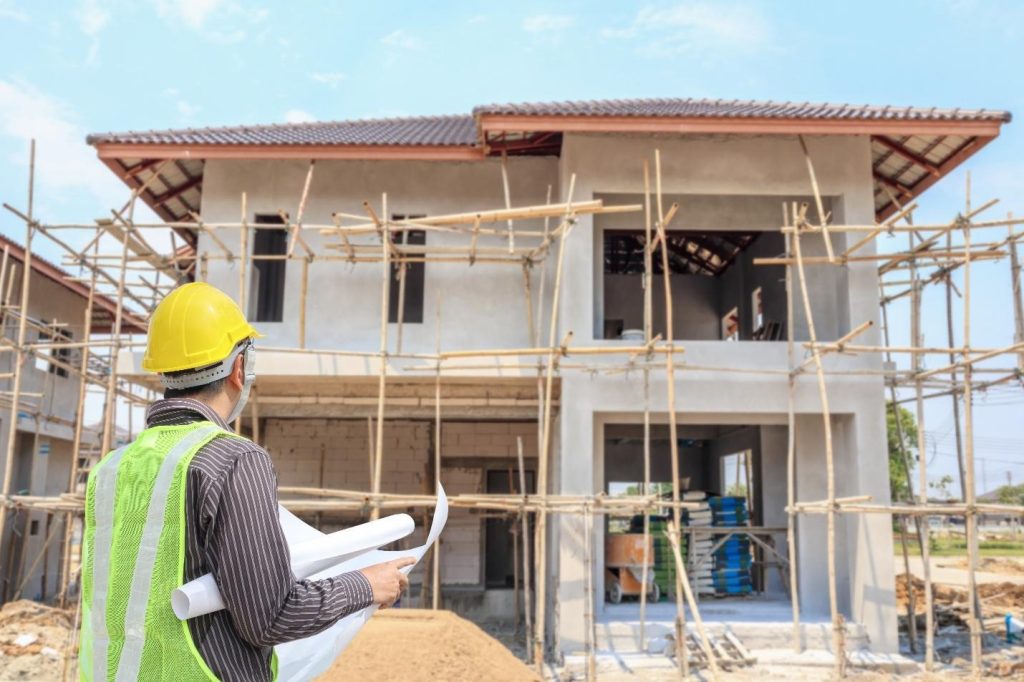
Building a home in Melbourne can feel exciting and overwhelming at the same time. Between securing land, choosing a builder, understanding regulations, and keeping track of construction phases, the process demands strong planning and clear expectations. Many homeowners start with enthusiasm, only to face delays, budget stress, or workmanship disputes that could have been avoided with the right preparation.
This guide brings together practical industry insights that support confident decision-making and a smoother building journey. It also highlights the role of staged inspections, scheduling, builder communication, and budgeting strategies used by successful homeowners throughout Victoria, including the growing reliance on property inspection to verify quality during construction.
Why Proper Planning Matters Before Construction Begins
The foundation of a stress-free build is set long before the first slab is poured. A large number of construction issues originate from early decisions made without enough research or verification. Consumer Affairs Victoria regularly reports that contract misunderstandings, incomplete documentation, and unrealistic timelines are among the most common causes of building disputes across the state.
When homeowners take time to compare builders, understand site requirements, and clarify expectations, they significantly reduce the chance of delays or costly mid-project changes. A structured approach also preserves build quality and protects financial investment.
Key Questions to Answer Before Choosing a Builder
Selecting the right builder is one of the most important milestones. Asking informed questions reveals their reliability, communication style, and transparency.
Helpful questions to consider:
- What is included in the base contract price, and what counts as an upgrade?
- What is the expected timeline for each construction stage?
- Do you offer fixed-price or cost-plus contracts?
- Which suppliers or subcontractors will be used?
- How do you handle delays, supply changes, or unexpected structural issues?
- Can I organise third-party inspections during the build?
Builders who openly encourage independent checking of workmanship often demonstrate confidence in their quality process. Reputable professionals understand that transparency builds trust and prevents misunderstandings.
Understanding Melbourne’s Building Stages
Although every builder operates differently, most residential projects follow a similar phased framework. Knowing what should happen within each stage prepares homeowners for realistic timelines and quality checkpoints.
Common construction stages include:
- Site prep
- Slab or base stage
- Frame stage
- Lock-up stage
- Fixing stage
- Final completion or handover
Each stage affects structural reliability and long-term performance. That is why many homeowners use qualified professionals for property inspection during construction. Independent specialists provide objective reporting on workmanship, alignment with national standards, and early detection of faults that would be costly to rectify later.
Landmark Inspections give homeowners confidence at each milestone and protect them from silent errors that might not surface until long after handover.
Budgeting Realistically for a New Build
Unexpected costs are one of the top stress points for homeowners. Knowing how to prepare for extra expenses and create buffers supports better financial control.
Smart budgeting tips:
- Allocate 10 to 15 percent contingency funds for unexpected site or engineering changes.
- Track all upgrades from the start to prevent snowballing costs at color selection.
- Compare inclusions line by line, not by total price.
- Verify soil test and engineering allowances.
- Consider temporary living or storage costs if you are renting while building.
Industry research shows that site complexities such as rock, retaining walls, stormwater upgrades, and council requirements are among the most frequent causes of additional spending. Planning ahead means fewer surprises and better flexibility.
How Transparent Communication Prevents Delays
Strong communication between homeowners and builders maintains accountability and avoids assumptions. Construction relies on precise coordination between trades, suppliers, and project managers. When information is unclear or inconsistent, delays usually follow.
Helpful communication strategies:
- Keep all decisions and variations in writing.
- Ask for weekly or fortnightly progress updates.
- Store documents digitally for easy access.
- Clarify allowed site access for inspections or walkthroughs.
- Request clear explanations for any timeline changes.
Visible communication is one of the strongest predictors of project satisfaction. Homeowners who stay informed are better equipped to approve decisions, track schedules, and maintain strong relationships with builders.
What to Expect During Council and Regulatory Approvals
Victoria’s building regulations require planning permits, building permits, and structural compliance checks depending on the type of property and local council rules. Approval timelines vary based on zoning, overlays, environmental considerations, and proposed dwelling type.
Factors that may affect approval speed:
- Bushfire management overlays
- Heritage or neighborhood character controls
- Soil type and engineering requirements
- Drainage and stormwater design
- Tree protection rules
Delays often occur when documents are incomplete or unclear. A strong builder will manage applications efficiently, but homeowners benefit from gaining awareness of responsibilities. Understanding how approvals fit into the full construction sequence helps avoid frustration later.
For a helpful breakdown of the construction phases and how each step progresses from ground preparation through completion, the detailed building construction process guide for Melbourne in the Landmark Inspections blog provides a clear walk-through based on real project experience.
Why Staged Inspections Support Quality Assurance
Even with trusted builders, staged inspections are becoming standard practice among informed homeowners. They act as independent quality control and provide objective verification of workmanship before the build progresses past critical points.
Benefits of staged inspections:
- Early detection of structural or compliance issues
- Reduced risk of disputes at completion
- Stronger documentation trail
- Peace of mind for long-term durability
- Higher resale value due to verified build quality
Many insurance and warranty professionals confirm that early intervention results in significantly lower repair costs compared to post-handover rectification. For example, identifying frame alignment problems or plumbing placement errors during construction avoids expensive reconstruction later.
Common Mistakes That Lead to Delays and Stress
Even well-planned builds can face challenges. Recognizing common pitfalls helps homeowners avoid them.
Frequent issues include:
- Approving designs without reviewing measurements
- Rushing contract signing before full clarity
- Ignoring estimated supply lead times
- Failing to track upgrades and selections
- Assuming inspections are unnecessary
- Limited communication with project managers
Small oversights early in the process often turn into major problems during construction. Being proactive from day one is far easier than trying to fix misunderstandings when walls are already up.
Creating a Smooth Build Experience
Homeowners who remain proactive, organized, and supported by professional guidance typically enjoy smoother projects and greater satisfaction at handover. A new home should feel like a positive milestone, not a struggle.
Steps that support a successful build:
- Research builders thoroughly
- Plan budget with flexibility
- Understand construction stages
- Use independent inspections
- Maintain consistent communication
- Set realistic expectations
Each of these actions strengthens control over timeframes, workmanship, and cost management.
Final Thoughts
A new home is more than materials and labor. It represents lifestyle, safety, and future memories. Planning with detail and supported oversight helps protect your investment and ensures a positive build journey.
Strong early preparation, reliable builder partnerships, clear communication, and professional inspections form the foundation of a smooth residential construction process in Melbourne.
If you are preparing to build, take time to understand the stages, compare professional support options, and stay involved. A thoughtful approach transforms complexity into confidence and brings you closer to the home you have envisioned.
If you want help ensuring quality from slab to handover, independent construction inspections are one of the most valuable tools available to homeowners. They offer impartial support, protect your budget, and build trust throughout the project.
Feel free to share this guide with anyone starting their building journey in Melbourne. A well-planned project sets the tone for a rewarding and stress-free experience.